












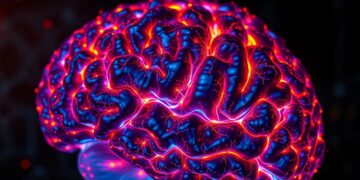















Ever notice how some moments stick with you, like your first day of school or a surprise birthday party? These moments feel etched in your mind. But daily routines often fade away. This is the power of emotional memory.
Feelings and memory are closely linked, shaping how our brains store and retrieve information. Emotional experiences, whether thrilling or traumatic, create stronger memories than neutral events. Research shows that emotionally charged moments are remembered more often than ordinary ones. This is because the brain focuses on survival and significance.
Science tells us that the amygdala, a brain region tied to emotions, works with the hippocampus to strengthen memories linked to strong feelings. This is why a scary movie scene or a joyful celebration might stay vivid for years. Even small details, like the smell of rain or a loved one’s laughter, can become anchors for these emotional experiences.
Why does this matter? Understanding how emotions shape memory helps us see why some moments stick with us while others slip away. We will explore how childhood learning, cultural differences, and even social media shape these patterns. Let’s discover why your brain prioritizes emotional moments and how that shapes your life story.
The Science of Memory and Emotion
Our brains have special systems to make short experiences last forever. The amygdala and memory connection is vital: this small part of the brain marks important events. When we feel excited or scared, the amygdala tells the hippocampus to save these moments.
The hippocampus is like a librarian, keeping these memories safe. The prefrontal cortex helps too, deciding what’s most important. This teamwork is how we remember things.
Studies from the Beckman Institute show how emotions make memories stronger. Their research, in the Journal of Experimental Psychology: General, used fMRI scans. They found the amygdala and hippocampus work together when we feel strong emotions.
This teamwork makes memories clear, like remembering a first day at school. But, everyday moments are forgotten quicker. This is why scary events stay with us longer. Learning about these brain processes could help improve memory for older people and those recovering from trauma.
Historical Insights on Emotion and Memory
Memory research has a long history, from ancient times to today. Early thinkers like Aristotle believed emotions made memories stronger. Now, memory studies use brain scans to show how feelings affect what we remember.
In the 1990s, psychologist Jaak Panksepp introduced emotional memory theories. He said seven core emotions, like FEAR and CARE, shape how we remember. For instance, FEAR memories are often very clear because they help us survive.
As technology improved, so did our understanding of emotions and memory. Old methods were replaced by brain scans. These scans show how emotions create strong memories. Panksepp’s ideas, combined with these scans, prove that intense emotions leave lasting marks on our minds.

Today, researchers mix old ideas with new technology. They find that ancient wisdom about trauma’s effects matches modern science. This blend helps us understand why some memories are hard to forget and why emotions play a big role.
The Role of Emotion in Everyday Memories
Emotions play a big role in our memories. They make some moments stick in our minds more than others. For example, remembering your first day at school is easier than recalling brushing your teeth this morning.
This shows how emotions make certain memories more vivid. They act like a mental highlighter, making strong feelings last longer in our memory.
Flashbulb memories, like knowing where you were during 9/11, are very clear. This is because our brain focuses on memories tied to strong emotions. A 2021 study showed that focusing on positive emotions helps older adults remember more.
A 2021 study found that older adults recalling positive emotions remembered specific joyful moments more clearly than neutral ones.
When we feel emotions, our brain releases special chemicals. These chemicals change how we remember things. The amygdala, a part of our brain, links events to feelings, making some memories stick better.
But, emotions can also change what we remember. A heated argument might make us forget exact words but remember the feeling. This shows our memories are shaped by our emotions, not just facts.
The Impact of Cultural Context on Emotion
Emotions vary across cultures, influenced by cultural differences and societal influences. For example, in the U.S., most people link smiling to happiness. But in Sumatra, only a few agree. These cultural memory scripts guide our feelings and how we remember them.
In Japan, 60% see a wrinkled nose as disgust, unlike 86% of Americans. This shows how emotional expression norms differ.

The Utku Inuit rarely show anger, due to their culture. European Americans, on the other hand, report more pride and anger than the Japanese. These patterns are not random. They shape our cultural memory.
A 2018 study found posture changes when recalling emotions. Pride made people stand taller, while shame made them slouch more.
Societal rules also impact our happiness. European Americans often hide their feelings, which can lower their life satisfaction. But in Hong Kong, hiding emotions doesn’t harm happiness. Even kids follow these cultural norms, showing what’s valued in each culture.
From the Inuit’s restraint to Americans’ openness, culture shapes our emotions. Understanding these cultural differences shows that emotions are more than personal. They’re stories shaped by shared traditions and values.
Emotional Memory in Childhood
Childhood memories deeply shape our emotions and experiences. Developmental psychology shows early experiences greatly influence how we remember. Even young kids remember big emotional events, like fights or happy times, well.
Studies find kids remember bad events more than good ones. This is called negativity bias. It helps kids stay safe and learn important social lessons.
How kids remember things is linked to their brain growth. The amygdala, which gets active in emotional times, makes these memories stronger. A study with 206 kids and teens showed they remembered negative images better than neutral ones, more so in the younger ones.
As time goes on, this bias might lessen for some. But it keeps affecting their personality and how they feel.
Early experiences also shape how kids behave later on. Happy memories, like family trips, help kids grow strong. But bad memories, if not dealt with, can lead to anxiety or avoiding things.
A 2023 study found that talking about feelings with caregivers helps kids manage their emotions better. This boosts their thinking skills too.
Knowing about childhood memories helps parents and teachers teach emotional smarts. By letting kids share their feelings and think about what happened, we help them grow emotionally. Simple things like telling stories or keeping a journal can make these moments valuable for learning.
Paying Attention: The Key to Memory
Emotional attention shines a light on what we remember best. Joy or fear makes us focus on key details. This attentional capture helps us remember survival cues well.
Studies show that emotional images, like a storm or a smiling child, stick in our minds more than neutral ones. In one study, people remembered 81% of emotional images and 74% of neutral ones. This shows that what stirs our feelings gets our attention.

The amygdala, our emotional center, helps us remember by linking feelings to what we see and hear. Moments of high emotion, whether good or bad, activate it. This releases hormones that make our brain connections stronger.
For example, crime victims often remember a weapon’s shape but forget other details. This is because our brain focuses on what’s important for survival.
Teachers can use emotional lessons to help students remember better. A stressed student might do well on exams but struggle with other tasks. By linking emotions to learning, we improve focus and memory for better results.
Memory Biases Linked to Emotions
Our emotions greatly influence how we remember things, leading to memory distortion and emotional bias. Young adults tend to remember negative experiences more, a trait known as negativity bias. This helps them stay alert to dangers.
As we get older, our focus shifts to positive memories, which helps build a legacy. These changes are not just random. They are survival strategies passed down through evolution.
Emotional arousal enhances details central to an event but blurs peripheral facts.
Stress hormones like cortisol change our brain, affecting areas like the amygdala and hippocampus. This impacts memory recall. For example, people who witness accidents remember the crash vividly but forget details like road signs.
This phenomenon is called memory narrowing. It shows that emotional events make us remember key details but forget the background.
Mood congruent memory explains why sad times make us remember past losses. Emotional experiences strengthen the brain’s connections to important details but weaken less important ones. Therapy and antidepressants help by improving hippocampus health.
For instance, older adults who focus on positive memories recall more joyful moments. This shows our brains adjust to emotional cues as we age.
The Influence of Social Media on Emotional Memory
Social media has changed how we keep and look back at moments. Sites like Instagram and TikTok help us save social media memories. But, research shows too much documenting can make us forget more easily.
Studies say taking photos to remember can distract us from the moment. This can leave gaps in our memory. It mixes up virtual memories with real life, changing how we remember our feelings.

When we share digital emotional experiences online, we often bend the truth. Making posts look perfect can change how we remember things. The fear of missing out (FOMO) makes us scroll more, losing touch with reality.
A 2023 study found 68% of users forget more on days they use social media a lot. Negative interactions can make us forget 33% more.
Also, what others say online can change how we remember. A 2018 study showed that filtered views can make memories less reliable. When friends like a vacation post, our brain might make it seem more exciting than it was.
Negative comments can also affect our memories long after the event. But, tools like Facebook’s “Memories” feature can help us reflect. Finding a balance between documenting and being present helps keep our digital emotional experiences real.
As technology grows, being mindful online ensures our social media memories enhance, not replace, our real-life experiences.
How Trauma Affects Memory
Experiencing traumatic events changes how the brain stores and recalls memories. Stress hormones like cortisol start two memory processes during these events. The amygdala and hippocampus become very active, capturing vivid sensory details.
Over time, this activity fades, leaving behind fragmented or incomplete memories. This is how traumatic experiences can be hard to remember fully.
Studies of Desert Storm veterans show 88% changed their stories of traumatic events over time. This shows how trauma and memory are closely linked. Up to 70% of people exposed to trauma report memory gaps.
Also, 30% develop false memories because of outside influences. PTSD often causes intrusive flashbacks, showing the brain’s struggle to process emotional content.
Therapies like EMDR and trauma-focused cognitive behavioral therapy help reframe traumatic memories. Mindfulness practices can improve memory recall by 30% in some cases. Research also shows therapy can reduce PTSD symptoms by up to 80%, helping the brain heal naturally.
Memory reconsolidation, or updating old memories with new perspectives, is key to recovery. While 61% of trauma survivors recover naturally, professional support can boost resilience. Understanding these mechanisms helps individuals seek help when traumatic experiences disrupt their lives.
Techniques to Enhance Emotional Memory
Small changes can boost memory improvement and emotional awareness. A 2021 study found that older adults who recalled joyful moments remembered more vivid details. This taps into the brain’s natural tendency to strengthen positive memories.
Start with emotional regulation practices like mindfulness. Mindfulness reduces stress hormones like cortisol, which can blur memory. Apps like Headspace or Calm offer guided sessions to calm the mind. This creates a clearer mental space for memory techniques.
Try the method of loci, a classic memory technique, but add emotional cues. Imagine a familiar place and attach feelings to objects there. For example, associate a red door with pride from a past achievement. This ties emotions to spatial memory, making retention better.
Research shows positive emotions like awe or curiosity release dopamine, sharpening focus during learning. Journaling also works. Writing about meaningful moments strengthens neural pathways. A 2004 study found that sharing these stories with others boosts recall accuracy.
Even a 5-minute daily practice of noting three positive experiences can train the brain. Emotional awareness starts with labeling feelings. When you feel joy or sadness, name it. This simple act, supported by Laird’s 1989 research, helps encode memories with clearer emotional tags.
Pair this with visualization exercises to revisit happy memories. This reduces the impact of negative emotions on memory clarity.
The Role of Emotions in Decision-Making
Emotions often guide our decisions, starting with gut feelings from past experiences. These choices are influenced by memories stored in the brain’s amygdala and hippocampus. Neuroscientist Antonio Damasio’s somatic markers theory shows how physical sensations linked to memories lead decisions before logic does.
“Emotions are not a luxury; they are the brain’s compass in uncertain times.”
Research reveals that big emotional events, like 9/11 or a wedding, leave lasting memories. These memories shape future choices by causing physical reactions that signal safety or danger. For example, fear memories activate survival instincts, while positive memories encourage taking risks.
Studies in Nature Communications found that neuron synchrony in the hippocampus strengthens fear memories. This affects how people react to similar situations later.
Intuitive choices are influenced by these memories. Experts use emotional data to make quick decisions, like avoiding risky investments after past losses. But, past trauma can bias present decisions. Predicting future emotions based on past feelings often leads to errors, like overestimating joy from a purchase or fear of social events.
Understanding how emotions shape decisions helps balance instinct with logic. Recognizing gut feelings as tools, not absolutes, allows us to use emotional wisdom wisely. This approach turns memories into guides, not rigid rules.
Practical Applications of Emotional Memory Research
Today, memory applications use emotional insights to tackle real-world problems. In schools, educational strategies like storytelling help students remember better. This is because emotionally charged lessons stick in our minds, like remembering the main points of a story but not the exact timing.
Teachers who make learning emotionally engaging tap into how our brains work. They focus on the most important details, helping students remember key facts.
Therapy also benefits from this research. Therapists use special techniques to help people deal with past traumas. By focusing on the emotional part of a memory, like the fear of a snake, therapy targets the brain’s emotional center. This helps in creating personalized treatment plans.
Personal development programs help people use emotional memories for growth. Journaling or reflecting on experiences, both good and bad, helps us remember and learn. This way, we can build resilience and self-awareness by focusing on the emotional core of our experiences.
Workplaces also apply these insights. Training programs with emotionally charged scenarios, like crisis simulations, help people remember important steps. Leaders who share their own challenges create lasting lessons. This is because learning with emotional arousal helps us focus on what’s most important.
Future technology, like EEG tools, may make these methods even better. As science advances, these memory applications will continue to shape education, healthcare, and our daily lives. By understanding how emotions enhance memory, we can make science practical for everyday life.