



























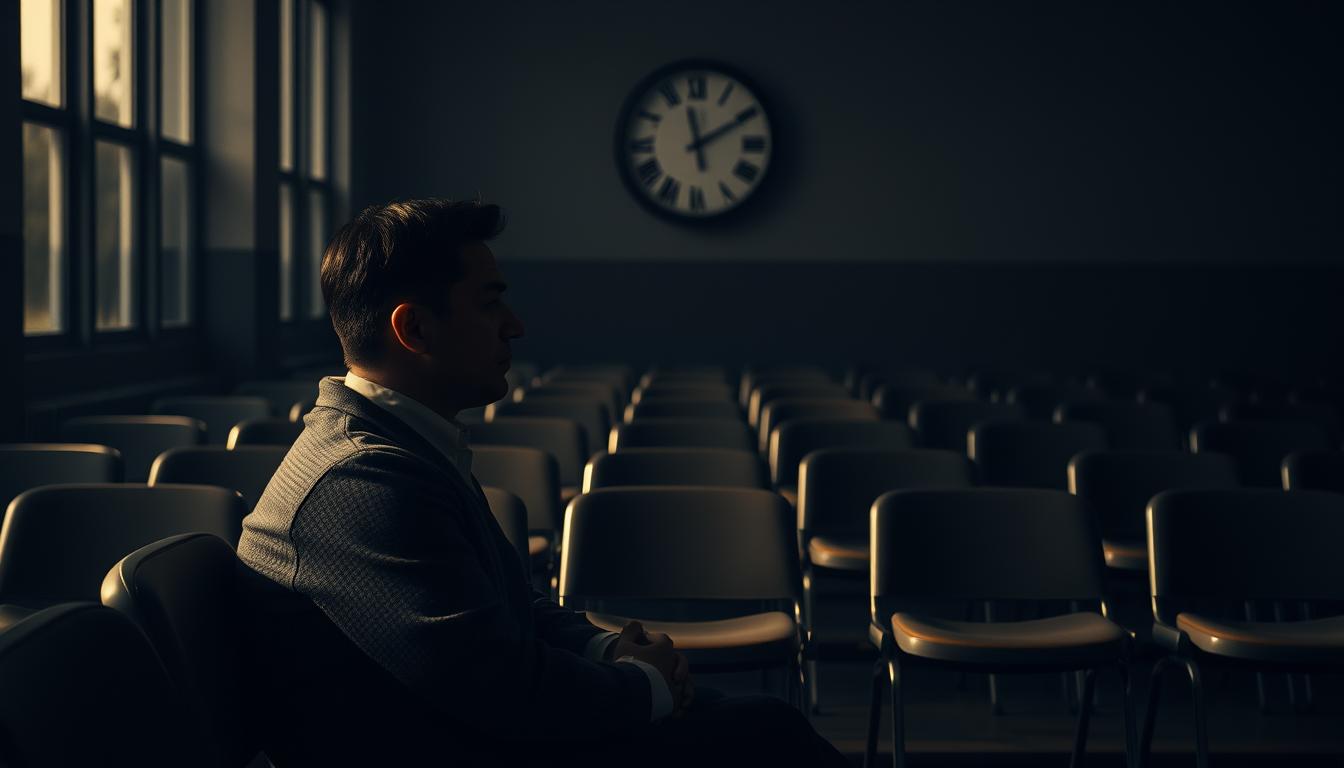
Why does waiting for a text or a package feel like forever? Waiting psychology shows our brains don’t just count minutes. They make them feel longer through time perception.
When we’re waiting for something, like a flight or a doctor’s visit, anticipation makes time slow down. This subjective time isn’t just about us. It’s a science that shapes places like airports and restaurants.
Think about waiting alone in a quiet room. Studies show people would take electric shocks over sitting in silence. This shows how waiting alone can make us feel uncomfortable.
This article explores how our expectations can clash with reality. It explains why 28,000+ people in a study felt their moods get worse with each passing minute. We’ll look at how managing subjective time can make waiting more bearable. From hospital triage systems to grocery express lanes, we’ll find ways to make waiting easier.
Understanding the Concept of Time Perception
Time perception challenges the idea that time moves at a constant speed. The ancient Greeks saw time as two parts: chronos, the measurable time, and kairos, the subjective experience of moments. This chronoception shows how our brains filter time through emotions and biology.
Scientists have found three time scales: milliseconds for quick actions, minutes for everyday tasks, and circadian rhythms for daily cycles. Each time scale activates different brain areas, proving time perception is a dynamic process.
Neurotransmitters like dopamine and norepinephrine change how we experience time. Excitement makes minutes seem to pass quickly. Fear, as in David Eagleman’s free-fall study, makes seconds feel longer.
A 2004 study found that surprising images, or “oddball” stimuli, seem longer. This shows that new experiences can alter our subjective experience of time. Younger brains, with fewer life experiences, also see time as slower.
Researchers have long studied how awe or stress affect time. Studies at Carleton University found that nature slows down time, while city life speeds it up. These findings show that time isn’t just about clocks—it’s influenced by biology, emotions, and focus. This understanding helps explain why waiting feels endless when bored but quick when having fun.
The Science Behind Waiting
Our brains are natural timekeepers. Waiting psychology science reveals how neural mechanisms affect our experience of delays. The brain’s timing system involves the cerebral cortex, cerebellum, and basal ganglia working together. These areas process time from milliseconds to hours, shaping our sense of time flow.
Time perception studies show the brain’s clock is a network. The suprachiasmatic nucleus controls daily rhythms, while sensory neurons track brief intervals. This system explains why waiting feels faster when our minds are busy. Distractions like music or reading shift brain activity, making delays seem shorter.
Focus is key. When our minds wander, time seems to drag. Research shows unoccupied waiting feels twice as long as active waiting. Restaurants give menus to keep our brains busy, making time pass unnoticed. These neural mechanisms explain why some waits feel unbearable while others seem to fly by.
Scientists like Richard Larson found people often overestimate wait times by up to 36%. This mismatch between real and felt time causes frustration. Yet, small changes—like showing a queue countdown—can reset brain activity patterns, easing the wait’s mental load.
How Expectation Alters Our Experience
Our expectation and time perception intertwine in surprising ways. When we anticipate an event, the waiting experience becomes a mental battleground between hope and impatience. Neurologist Dr. Santosh Kesair notes, “For a 10-year-old, one year is 10% of their life,” illustrating how temporal distortion grows with age. This principle extends to daily waits: a 5-minute coffee order can drag endlessly when we’re parched, yet hours fly by during an engrossing movie.
“Patients told us delays felt worse when they weren’t warned,” said a 2019 study analyzing 56 patients at VA and Thomas Street Health Centers. Over 80% reported improved tolerance when staff shared updates, proving transparency eases anticipation psychology.
Healthcare data reveals 46 cited studies show explicit apologies reduce stress during long waits. When minds lack stimulation, time stretches—like the veteran who waited 2 hours for a canceled appointment but later rated care highly after an apology. Clear expectations shorten perceived waits. Digital tools like real-time queue displays now leverage this science, reducing frustration by aligning reality with anticipation.
Businesses and hospitals now design environments to distract minds: themed waiting areas, calming music, or interactive screens. These methods combat the brain’s tendency to magnify delays. Whether at a clinic or a checkout line, managing expectation and time through communication and engagement transforms the waiting experience from a chore into a manageable moment.
The Different Types of Waiting
Waiting isn’t the same for everyone. Types of waiting affect how we feel about time. Research by David Maister shows that knowing when something will happen makes waiting easier. But when we don’t know, waiting feels longer and more stressful.

Queue psychology divides waiting into active and passive states. Active waiting, like looking at a menu, makes time seem shorter. Passive waiting, like sitting alone, increases stress. A 2016 study found that moving people in line a little bit can make waiting feel better.
Another important point is fairness in waiting. A 2015 survey showed that 81% of patients want to know how long they’ll wait. Without updates, waiting feels unfair and stressful. The “other line myth” shows how our minds can make waiting seem worse, even if things are moving at the same pace.
Waiting is also influenced by the situation. ER patients waiting a long time feel like time is dragging. But diners who pass time with magazines or charge phones feel like they’re waiting less. By understanding these waiting categories, we can make waiting more bearable.
The Impact of Waiting in Daily Life
Waiting is more than just a pause; it shapes our daily feelings. Delays like traffic, lines, or slow apps change how we see time. A study found that idle time feels longer.
Businesses use tricks to keep us distracted. Hotels put mirrors near elevators, doctors give out magazines, and restaurants offer menus. These tactics aim to stretch our patience by keeping our minds busy.
Technology has changed how we wait. Apps make waiting shorter, but our patience has dropped. We now expect quick answers and fast delivery, making delays unbearable.
Disney found that telling guests the truth about wait times makes them happier. Airlines also explain flight holds to calm passengers. This shows that knowing what’s happening makes waiting easier.
Waiting also shows cultural differences. In some places, waiting builds community; in others, it causes frustration. But most agree that knowing when a wait will end helps us cope better. Uncertainty, on the other hand, makes time feel endless.
The Emotional Toll of Waiting
Waiting isn’t just about time—it’s a mental challenge. It often triggers waiting anxiety, leaving people feeling stuck. Imagine waiting for medical results or a delayed surgery.
Studies show 64% of patients face clinical anxiety or depression during prolonged waits. Caregivers fare worse, with 75% reporting insomnia and 41% withdrawing from social activities. This psychological stress isn’t just personal—it’s measurable.
Caregivers’ anxiety often spikes higher than patients’, according to one study. Their stress levels were statistically higher (F = 7.52, P = .008).

Patience psychology reveals how waiting impacts daily life. During the pandemic, over 28 million surgeries were delayed globally. This caused a 14-week backlog for critical procedures.
Uncertain wait times amplify stress, making minutes drag. For instance, knowing a 30-minute wait feels shorter than vague “soon” estimates. Yet, when stress mounts, mental energy drains.
The “Mood Drift Over Time” phenomenon shows moods dip 2% each minute. This worsens focus and decision-making.
But there’s hope. Educational strategies in 51 studies reduced depression and anxiety. Distractions like music or mindfulness practices help. Even small goals, like planning tasks during waits, can ease tension.
Remember: waiting anxiety isn’t just personal—it’s a shared human struggle. Acknowledge your feelings, reach out for support, and remember: the clock ticks slower when we’re stressed, but strategies exist to reclaim calm.
Waiting in Technology-Driven Societies
In the waiting in digital age, screens and apps promise quick fixes but leave us feeling restless. Algorithms shape our habits, with 70% of YouTube views coming from recommendations. This endless scrolling erodes our patience. Designers hide delays with spinning icons, but our brains crave speed.
“Time is this rubbery thing,” says neuroscientist David Eagleman. His insight shows how focusing stretches time, while autopilot speeds it up.
Every day, technology and time perception meet. Loading bars calm us with fake progress, but real waits like buffering cause frustration. Social media’s endless feeds blur the line between online and offline, making downtime seem unproductive. Over 60% of users say these platforms harm real-life connections, yet we can’t stop using them.
But there are ways to fight back. Research by Zauberman shows that making to-do lists during waits can shift our focus from impatience to action. Apps like Headspace teach mindfulness to combat tech-driven impatience. Even VR therapy uses technology to rebuild patience skills, showing that innovation can solve its own problems.
Starting to practice digital patience begins with making mindful choices. Setting screen limits, recognizing algorithmic traps, and taking back mental space can help balance tech convenience with mindful waiting.
The Role of Mindfulness While Waiting
Waiting doesn’t have to be boring. Mindfulness while waiting makes every moment count. A study with 150 law students showed that short meditations cut down on stress. They felt calmer, even when waiting for four months.

Try the 54321 method to stay present. Notice 5 sights, 4 sounds, 3 touches, 2 smells, and 1 taste. Dr. Diana Raab says:
“Time slows when we engage deeply with the present. Details emerge, and waiting shrinks.”
This mindful patience helps you focus on the moment, not the time.
Research in PubMed highlights the benefits of mindfulness. Yet, there’s a lack of studies on fertility. Start with 5-minute meditations and increase to 20. Classes in Baltimore and online resources can guide you. Caregivers found less anxiety in waiting rooms, turning stress into calm.
By practicing wait management through mindfulness, even short waits become mindful moments. The trick is to be consistent. Your mind gets stronger with practice. Next time you wait, pay attention to your breath or the sounds around you. Your mindset can grow, even as the clock ticks on.
Waiting in Relationships
Waiting in relationships can test our patience, even when love is strong. When we wait for others, like a reply to a message, it shapes our trust and connection. Studies show anxious people feel more stress during delays, while secure ones handle it better.
“A watched pot never seems to boil, but go and check your emails and it will be boiling over before you know it.” —Claudia Hammond
Waiting for others can create imbalance. For example, one partner might rush to plan a future while the other needs more time. This mismatch in emotional timing strains relationships. Walter Mischel’s marshmallow experiment shows patience predicts success, but impatience can cause conflict.
When partners avoid discussing expectations, silent waits for commitment or affection build resentment. Healthy relationship waiting requires clear communication. Reassurance during delays, like saying “I’m thinking about this,” reduces anxiety.
Secure couples set boundaries and respect each other’s pace. Missteps can lead to misunderstandings, like fearing rejection when a text goes unanswered. Emotional timing aligns when both sides prioritize honesty over assumptions.
Strategies to Make Waiting More Bearable
When faced with a delay, small adjustments can transform frustration into calm. Evidence shows patience techniques like overestimating wait times—telling yourself a 10-minute wait might take 15—create pleasant surprises. This time perception control reduces impatience spikes, as seen in studies tracking vaccine rollouts. Simple actions like carrying a book or listening to music tailored to your taste (Whiting & Donthu’s research confirms preference matters) turn downtime into moments of control.

Retailers and airports use proven waiting coping strategies. Houston’s airport relocated gates farther from terminals, making passengers walk longer but complain less—a clever way to manage wait times. Restaurants with TVs showing relevant content cut perceived wait times by half. These examples show how small changes reshape experiences. Mindfulness, like observing surroundings, shifts focus from the clock.
Businesses can adopt these tactics too. AT&T’s research found quick staff responses eased tensions. Clear updates on wait times boost satisfaction—studies show knowing queue length reduces anxiety. Try these steps: prepare activities, use tech wisely, and reframe expectations. Turn waits into opportunities for growth or relaxation. Remember, controlling how you engage with time transforms the experience.
Conclusion: Embracing the Wait
Waiting isn’t just a pause—it’s a chance to grow. The science behind time perception management shows that how we approach delays shapes our mental experience. During the pandemic, many discovered that embracing waiting, instead of resisting it, eased anxiety.
Practices like mindfulness cut anxiety by nearly 60%, proving a waiting mindset can transform stress into calm. This shows that waiting can be a positive experience.
Research shows 70% of people feel less productive while waiting, but this downtime can spark creativity. In Japan, orderly waiting builds community, while U.S. attitudes often see delays as frustrations. Yet, psychological acceptance of uncertainty reduces stress, with 61% of Americans now seeking ways to manage future anxieties.
Small steps make a difference. Gratitude practices boost well-being by 30%, and patience raises life satisfaction by 25%. Even cultural studies from the 2011 Tōhoku earthquake show orderly waiting fosters resilience. When waiting feels endless, remember: distress grows when we fight the pause.
Instead, use those moments to reflect, breathe, or plan. Waiting isn’t wasted time—it’s part of life’s rhythm. By reframing pauses as opportunities, you build emotional strength.
Whether it’s a doctor’s appointment or life’s bigger waits, choosing a proactive approach turns limbo into a stepping stone. The next time you’re stuck, try mindfulness or jot down ideas. Every moment holds the chance for growth when viewed through the lens of psychological acceptance.