


























Change is hard, and it’s in our biology. Our brains resist change because of how they work. They process over 70,000 thoughts daily, with 95% of our actions being automatic habits.
This makes us stick to routines, even if they’re not good for us. Evolution made our brains value safety. So, familiar patterns feel safe, while new things make us alert.
This is why some people stay in jobs or relationships that don’t make them happy. But knowing why we resist change is the first step to changing.
Change is possible. Knowing how our brains resist is the first step. By understanding habits and how trust and communication can change our minds, we can overcome resistance.
Understanding Change and the Brain
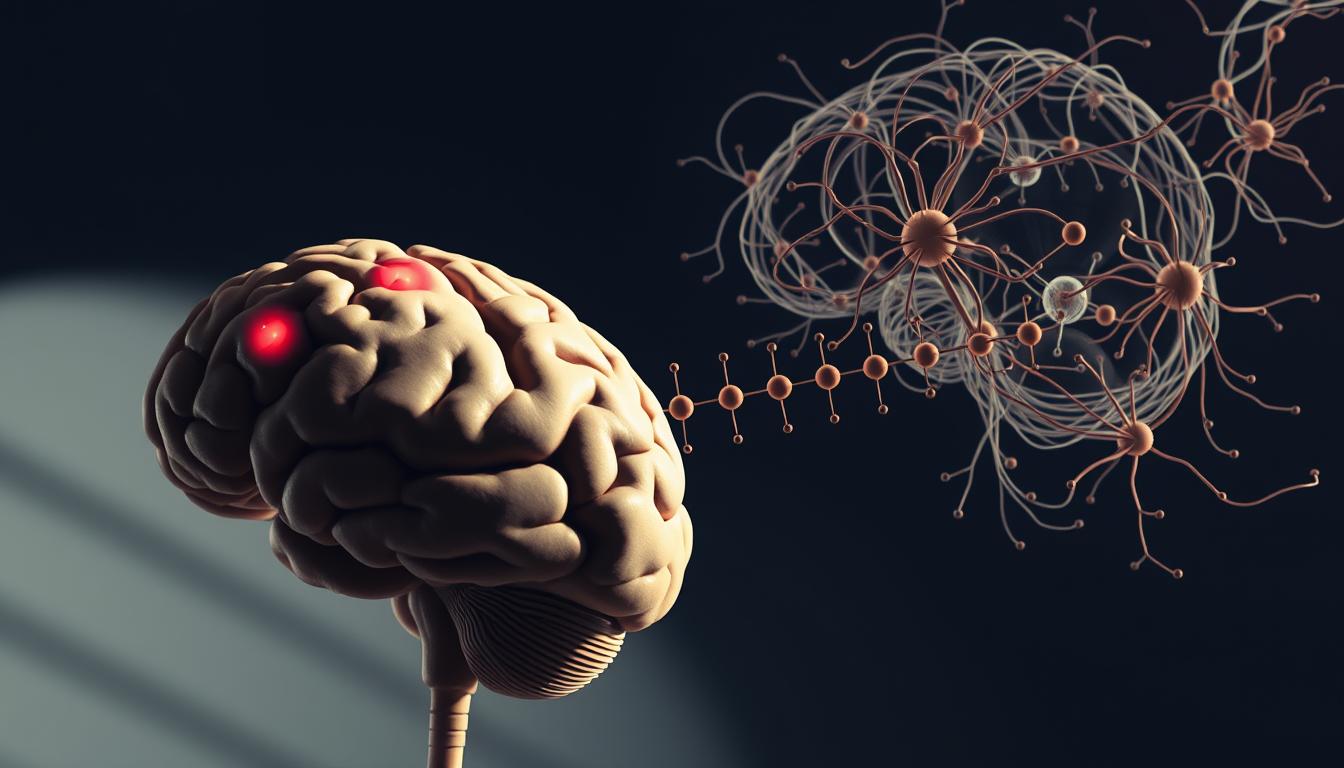
Every day, your brain runs on autopilot. Neural pathways formed by repeated actions—like brushing teeth or driving a familiar route—save energy. These brain habits are efficient, but they also create resistance to new patterns. Imagine trying to reroute a river; your mind fights to stay in its old channel.
Neuroplasticity, the brain’s ability to reorganize itself, offers a solution. When you learn a new skill, like playing an instrument, fresh neural pathways form. Yet this process demands focus. The brain’s basal ganglia handles routines effortlessly, while the prefrontal cortex—the “effort zone”—activates when tackling something unfamiliar. That’s why breaking old brain habits feels exhausting.
“Neuroplasticity requires intention,” say researchers. “Change happens when we consciously redirect thoughts, even if it feels unnatural at first.”
Evolution plays a role too. Ancient humans survived by avoiding risks, so our brains flag uncertainty as danger. During the pandemic, sudden shifts to remote work triggered the amygdala’s fear response in many. This biological bias explains why even desired changes—like dieting or career moves—meet internal resistance.
Breaking free starts with awareness. Noticing when routines dominate lets you choose new behaviors. Small steps, like a 5-minute daily meditation, help rewire neural pathways. Over time, these efforts build resilience. Remember: your brain can adapt, but it won’t do it alone. You must guide it, one intentional step at a time.
The Comfort of Familiarity
“What we call chaos is just patterns we haven’t recognized. What we call random is just patterns we can’t decipher.” — Chuck Palahniuk

The human brain loves familiarity to save energy. Following familiar patterns, like morning routines, makes us feel good. This is because our brain releases dopamine, a happiness chemical.
This reward system keeps us in our comfort zone, even if it’s not good for us. For instance, 80% of our daily actions are automatic. This creates a false sense of security.
Familiar patterns feel safe because they avoid uncertainty. Uncertainty makes our brain’s fear center, the amygdala, go off. Yet, staying in negative cycles, like bad relationships or habits, is hard to leave because they’re known.
Studies show 70% of people fear change and 60% prefer known discomfort over the unknown. Even if a job or relationship hurts us, the predictability feels safer than taking a risk.
Neuroscience tells us that repeated actions create strong neural pathways. To change, we must make an effort, like exploring new trails instead of the old ones. But our brain can change, and it’s worth the effort.
Recognizing this starts with asking: Is my comfort holding me back? Patterns like bedtime routines or weekend habits aren’t inherently bad. But when they keep us stuck, they become barriers.
Awareness is the first step to changing these patterns. We don’t need to give up all familiarity. The goal is to choose which patterns help us grow and which ones hold us back.
The Role of Fear in Resistance
Our brains often see change as a threat, even when it’s good. The fear of change comes from our ancient instincts. When we face new things, the amygdala, a fear center in the brain, makes us want to fight or flee. This can make even small changes seem like huge risks, says neuroscientist David Rock.
Think about starting a new job or using a new tool at work. The anxiety about new experiences comes from wanting to stay safe. Studies show that when we’re unsure, our fear brain gets even more active. This is why people might stick to old ways, even if they’re not as good, like a CRM system that could save time but is hard to learn at first.
Our brains also don’t like to change because it feels risky. MIT research shows that our brains make strong habits, making changes hard. Here’s a quote that shows how important it is to think about our fears:
“I’m realizing that… when making decisions, sometimes it’s good to question our own intentions.”
This thinking helps us see our hidden fears, like fear of failure or being judged.
Understanding these fears is the first step. Knowing that fear isn’t always right helps us find ways to deal with it. By facing the fear of change with kindness and clear talk, we can see uncertainty as a chance to grow, not just a threat.
Cognitive Dissonance Explained
Cognitive dissonance theory talks about the mental struggle when we hold two opposing beliefs. For example, valuing honesty but lying to avoid trouble creates discomfort. Psychologist Leon Festinger introduced this idea in 1957, showing how we seek balance in our minds.

Think about someone who loves animals but eats meat. This conflict, or contradicting beliefs, might lead to excuses like “meat is needed for protein.” In relationships, after a breakup, people often hold onto old hopes, causing stress when new chances come along. Research shows 61% of people feel uneasy when their actions don’t match their values, and 70% justify unhealthy habits like smoking despite knowing the dangers.
When we face dissonance, we might change our actions, reinterpret facts, ignore the issue, or add new beliefs. For example, a study found people were willing to pay less to endorse a task they thought was more enjoyable—a way to ease mental conflict. This theory also explains why some people stick to their beliefs even when they’re proven wrong, like cult members after failed predictions.
While not a mental illness, unresolved dissonance can cause stress or guilt. Recognizing these patterns can help us move forward. If dissonance leads to addiction or overwhelming feelings, seeking help from a professional can lead to better choices. By facing our mental conflicts, we can make clearer decisions and find inner peace.
The Influence of Habits
Every day, habit formation shapes how we act, often without us even thinking about it. Scientists say 50-70% of our daily choices come from routine behaviors. This makes breaking habits a big challenge.
The brain works on autopilot, making 95% of our decisions feel automatic.
“The habit loop consists of a cue, routine, and reward,” explained MIT researchers, who first mapped this neurological pattern. This cycle becomes so ingrained that even when we want to change, old pathways dominate.
New Year’s resolutions are common, with 44% of Americans making them. Yet, only 19% manage to keep changes going long-term. Quitting smoking, for example, often takes 8-11 tries before success.
The brain’s limbic system fights change, making it hard to break old habits.
Elysia found a way to change this. She focused on the habit loop’s cue and reward phases. She made actions simpler to reduce “limbic friction.”
She celebrated small wins with dopamine boosts. She also changed her environment to disrupt old triggers. This made new routine behaviors feel natural over time.
Changing habits isn’t fast—studies show it takes 18-254 days. But understanding how habits form gives us power to change them. Small, deliberate changes today can lead to big changes later. Our brains are flexible, and with patience and a plan, we can change.
Social and Cultural Factors
Our choices aren’t made alone. Social pressure and cultural norms shape our views on change before we even think. Belonging is key—so much that going against group beliefs can feel like survival. As noted, “We associate our value… based on our conditioning, environment, and upbringing.” This often keeps us in familiar patterns.
“We associate our value, worth, what’s right and wrong, what we accept and tolerate, and how we let ourselves be treated by others based on our conditioning, our environment and the way we grew up.”
Think about cultural norms worldwide: some value tradition, others innovation. When change threatens these, our amygdala kicks in, making us resist. Even work changes can fail if they don’t fit societal expectations. McKinsey says 70% of changes fail because of employee pushback, fearing loss of autonomy or fairness.
But knowing how societal expectations affect us gives us power. We can question: Does resisting protect me, or hold me back? Cultures that value flexibility help people adapt without losing who they are. By understanding these forces, we can decide when to challenge norms and when to grow without losing connection.
Emotional Connections to Change
Emotional resistance often comes from holding onto familiar feelings, even when change offers growth. Grief can arise when we let go of a job, relationship, or identity. It feels like losing a part of ourselves.
This pain shows how deeply we’ve invested in our identities. It’s not weakness; it’s a sign of our deep connection to who we’ve become.
“The current economic crisis is fundamentally an emotional problem rooted in collective resistance to the feeling of lack.”
Psychological transitions require facing hidden emotions. Unresolved trauma, like childhood neglect or failure, can resurface. For instance, a leader avoiding feedback might be replaying old patterns of rejection.
Freud’s “repetition compulsion” theory explains this. It says we unconsciously reenact unresolved scenarios until we face them.
Emotional suppression leads to stress, costing industries billions. Yet, 92% of leaders with emotional self-awareness build high-energy teams, Korn Ferry Hay Group found. Their success shows that acknowledging grief in change strengthens resilience.
Leaders who avoid this risk making decisions based on old wounds, not current needs.
Change isn’t just logical—it’s emotional. By seeing emotional resistance as a signal, not a barrier, we open up to psychological transitions that align with our true goals. Start small: name one emotion you feel when facing change, then ask, “What does this feeling need from me?”
The Cost of Change
Change isn’t free. Every shift, like quitting a habit or starting a new routine, needs change effort. Your brain, set to save energy, fights to change its 86 billion neurons and 1,000 trillion connections. This adaptation energy makes starting new habits feel like running a marathon.
Think of your mind as a high-speed rail. Changing tracks is like rerouting trains, which uses up mental energy.
“Resistance is a built-in aspect of change management,” noted a Harvard professor, highlighting how brains default to efficiency. Even small choices, like choosing lunch, tap into limited willpower reserves, leading to decision fatigue.

Behavior modification costs are high when things are uncertain. Employees who resist corporate mergers aren’t just being stubborn. They’re scared of losing something important. Studies show 10% of workers leave during big changes, showing the impact of fear.
But knowing these costs can help. It turns challenges into chances. When you understand the behavior modification costs, you can take it one step at a time. Start with small steps, like practicing mindfulness to build new neural paths. Remember, growth is a marathon, not a sprint.
Tools for Embracing Change
Change management techniques are key to turning resistance into momentum. An aerospace company cut product development time by 50% in three years. They did this by redesigning workspaces and training employees, boosting morale and reducing scrap rates.
Stack the cards in your favor: Hang around more motivating people, listen to inspiring content, and refresh your environment.
Habit transformation tools start with awareness. Mindfulness and journaling help spot unconscious patterns. Changing your environment is also important—remove old triggers and add reminders for new goals.
Small steps are better than big changes. A study shows companies with structured training see 30% higher user adoption of new systems.
Adaptation strategies like implementation intentions and habit stacking build lasting change. Accountability systems, such as weekly check-ins, keep progress on track. Maddox’s research shows that transparency, like open-book management, reduces fear by sharing financials and salaries.
Remember, change isn’t one-size-fits-all. Use Gleicher’s formula (C = A × B × D > X) with what works for you. When 500 employees at a city government used World Café events to brainstorm, they built trust. Celebrate small wins. Over time, persistence turns effort into ease.
Learning to Accept Change
Change acceptance begins with understanding how our brains adapt. Our brains can grow and change, even as we form habits. Trying new things, like learning a skill, makes our brains more flexible.

A growth mindset sees challenges as learning opportunities, not threats. Studies show humans often stick to old ways, unlike monkeys. Monkeys quickly learn new strategies. This shows we can improve our flexibility with practice.
“Repeating patterns do not happen by coincidence. They allow us to grow as souls. These patterns are lessons, opportunities to evolve.”
To build psychological flexibility, start with small steps. Mindfulness and problem-solving games can make our brains more agile. Companies that succeed today focus on these practices. Even 15 minutes of new activities daily can help us adapt and grow.
Embracing change means not fearing it, but being curious. Over time, what scares us becomes a chance to discover. Every challenge helps us see our true abilities.
Conclusion: Embracing Change for a Better Future
Understanding how our brains resist change is key to personal growth. The amygdala’s stress response and neuroplasticity’s power show growth starts with awareness. Overcoming resistance means acknowledging discomfort and choosing to move forward.
Studies show 70% of employees feel uneasy with workplace changes. Yet, companies using structured change strategies see a 70% success rate. This data shows how proactive approaches can turn challenges into opportunities.
Continuous growth is about small, consistent steps, not big changes. When 60% of people embracing new experiences report higher fulfillment, it shows curiosity leads to satisfaction. Even those stuck in careers can start with small adjustments, like setting goals or seeking mentorship.
Celebrating small wins, like trying a new routine, builds momentum. Support networks also help reduce isolation. Remember, 80% of professionals see failure as a learning tool, not an end.
Change is a journey, not a destination. By recognizing patterns and addressing their lessons, you can rewrite habits and expand your horizons. When 55% of people with growth mindsets pursue challenges willingly, it shows adaptability is a skill.
Whether at work or in personal life, patience and persistence are key. Every small shift, every lesson learned, and every risk taken moves you closer to a future shaped by resilience and self-belief.
Embracing change means trading fear for curiosity. Whether through workshops, mentorship, or daily experiments, the path forward is yours to shape. The brain’s ability to adapt ensures that even long-standing barriers can shift.
By viewing change as a lifelong practice—not a one-time fix—you unlock continuous growth. The journey may feel daunting, but each step forward is a step toward a life where growth, not stagnation, defines your story.