



























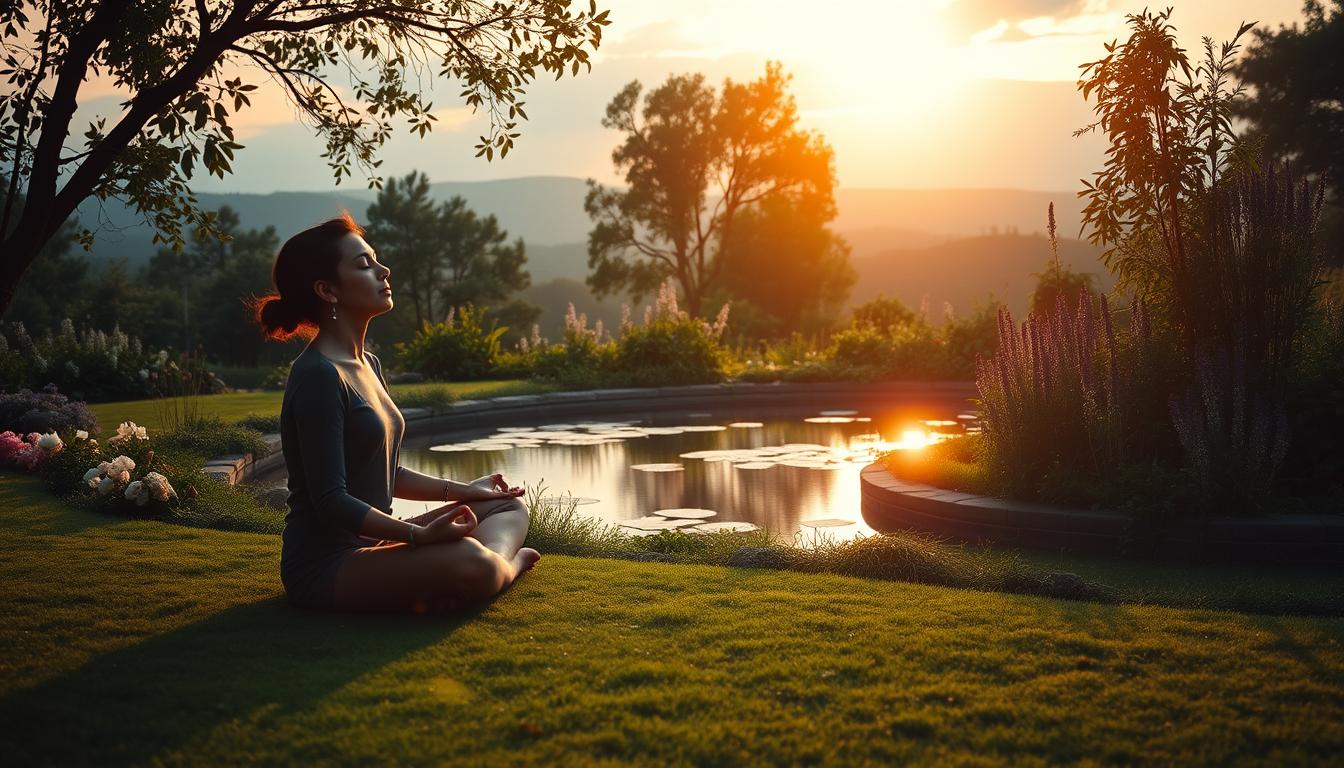
Imagine running so fast you forget why you started. That’s how many of us live today. We have 15 browser tabs open and chase “busyness” as a badge of honor. This rush takes a toll on our bodies and spirits.
My own 102°F fever taught me that relentless speed harms both body and spirit. Yet, slowing down isn’t laziness—it’s a powerful choice.
Slow living benefits come from embracing mindful living. When French workers clock 35-hour weeks, their productivity outpaces longer American and British hours. Volvo projects take two years regardless of simplicity, proving quality over speed.
This isn’t just about time—it’s about savoring moments. The Slow Food movement shows how pausing to enjoy meals boosts well-being. Just like walking 15 minutes lifts mood instantly.
John De Paola’s wisdom—”Slow down and everything you chase will catch up”—resonates here. By prioritizing the enjoying present moment, we reconnect with what truly matters. Let’s explore how slowing down transforms stress into clarity, turning rushed days into meaningful living.
The Modern Fast-Paced Lifestyle
In today’s world, we often feel the need to do more, faster. Our days are filled with constant busyness, thanks to smartphones and endless notifications. We feel pressured to stay connected 24/7.
Digital overwhelm grows as we deal with apps, emails, and social media. These demands leave us little time for pause or reflection.
Technology was meant to make life easier, but it can trap us in a cycle of stress. Studies show 61% of workers feel burned out. Also, 35% of adults struggle to sleep due to overstimulation.
Multitasking can slash productivity by 40%. Yet, we keep checking emails 15 times a day. This constant rush strains our relationships, as we spend less time with loved ones and more time staring at screens.
“We’ve mistaken the quantity of tasks for the quality of life.”
Generation Z is starting to reject the hustle culture. They want flexible work and better well-being. But many of us see constant busyness as a sign of success, ignoring its toll on our mental health and happiness.
The key is to understand that slowing down isn’t laziness. It’s a step towards finding balance in a world that never stops.
Understanding the Concept of Slowing Down
The slow living philosophy isn’t about sitting idle. It’s a mindful pace that values depth over speed. It’s about making choices that truly matter, like enjoying a meal slowly or taking time to watch a sunset.

Conscious deceleration is about embracing quiet moments. The Italian Slow Food movement is a great example. It started as a protest against fast food and now promotes craftsmanship and connection worldwide. It shows that slowing down doesn’t mean you’re not moving forward.
Slowing down doesn’t mean you’re stuck. It’s about focusing on one thing at a time, like writing a letter instead of texting. People who do this report stronger relationships and clearer goals. They find joy in the simple things because they’re not distracted.
The human brain isn’t good at doing many things at once. By choosing a mindful pace, you make your actions align with your values. Whether it’s a morning walk or a tech-free evening, it brings joy to your daily life.
Benefits of a Slower Lifestyle
Living life at a slower pace brings many slow lifestyle advantages. A 2013 Romanian study found that mindfulness makes moments feel longer. People who meditated daily thought time stretched out, showing the health benefits of slowing down.
Less stress and better sleep come with it. People who slow down report up to a 50% drop in stress compared to those who rush.
Slowing down also improves mental clarity. A 2014 German study showed that long-term meditators felt time passing more slowly. This lets us enjoy life’s details and make better choices.
Jon Kabat-Zinn says living in the present helps us make decisions with confidence. It helps us step out of rushed routines.
When we stop multitasking, we form deeper connections with others. We engage fully in conversations and moments together. Being in nature also lowers stress by 30%, bringing mental peace.
Over 70% of slow-living adopters feel more in control of their lives. They have 40% higher life satisfaction from focusing on meaningful tasks.
Even small changes, like 15 minutes of mindful breathing daily, can help. The goal is to be present, not perfect. Slowing down is a smart choice for a fuller, healthier life.
Mindfulness: A Key to Enjoying Life
Mindfulness is the art of present moment awareness. It trains your mind to focus on the now. It’s not about clearing your mind but watching thoughts without judgment. This simple change makes everyday tasks into moments of mindful enjoyment.
Imagine enjoying a coffee’s warmth or a sunset’s colors. It’s all about being fully present.
“Mindfulness is awareness that arises through paying attention, on purpose, in the present moment, non-judgmentally.” — Jon Kabat-Zinn
Formal mindfulness practices like meditation or mindful breathing help you stay present. Even simple tasks like washing dishes or walking become chances for attentive living. Studies show regular practice can cut stress by up to 30% and boost happiness by 25%. 
By focusing on the present, you break free from autopilot. Research shows that regular practice strengthens brain connections, improving emotional control. Just 20 minutes a day can change how you live, making connections deeper and clearer.
Begin with small steps—pause before answering the phone or enjoy each bite of lunch. Over time, this mindful way of living turns moments into memories and stress into calm. With practice, you’ll naturally find joy in life’s small pleasures.
Finding Balance in a Busy World
Creating calm doesn’t mean stopping life’s demands. Instead, balanced living is about pacing yourself. Mix urgent tasks with quiet moments to stay on track without losing yourself.
A teacher might check emails in the morning to have free evenings. A nurse could breathe deeply during breaks. Small changes can make a big difference.
Begin with setting boundaries. Turn off unnecessary notifications and plan tech-free times. Studies show short breaks from social media can lower anxiety.
Use tools like “Do Not Disturb” to guard your time. The Pomodoro technique works well: work for 25 minutes, then rest. These breaks help you focus and reduce stress.
Nature and creativity are great for grounding. A short walk or drawing can refresh your mind. Research from the University of California shows breaks help with stress and memory.
Tell your colleagues or family about your needs. Explain why you need certain boundaries for your well-being.
Balance isn’t about perfection—it’s about progress.
Life’s seasons change, and so should your routine. A new parent might take calls in the evening to nap during the day. Adjust your pace as your roles change.
Working with a coach can help you find strategies that fit your life. Remember, finding balance is a journey. Small, consistent steps can bring calm even in busy times.
Developing a Gentle Daily Routine
Starting your day with a slow morning routine helps you relax. Wake up 30 minutes early to enjoy a cup of tea or write in your journal. These small actions make room for thought and intention. Imagine eating breakfast without rushing, matching your natural energy.
Mindful daily practices, like cooking meals with care or taking breaks, make every moment special. Did you know 50% of people eat meals in under 15 minutes? Taking your time while cooking or enjoying your food can make it more enjoyable and better for your digestion. Having some buffer time between activities helps you transition smoothly, reducing stress.
Intentional habits, like adding a walk after lunch, help you build momentum. Using the Pomodoro technique (25 minutes of work + 5 minutes of break) respects your natural cycles. A unhurried schedule doesn’t need to be perfect; it’s about being flexible. Even 10 minutes of mindful breathing before bed can change your evening.
“A gentle routine isn’t about rigid rules—it’s about choosing moments to pause and breathe.”
Remember, small changes can make a big difference. Swap screen time for stretching or reading. Let your routine be about what nourishes you, not the fast pace of society. Your time is yours to enjoy.
Nature’s Role in Slowing Down
Walking in a forest or along a trail does more than refresh the air. It connects us deeply with nature’s natural pace. Trees move, rivers flow, and seasons change, reminding us of life’s cycles. Studies show that just 20 minutes outside can lower stress hormones, calming our minds.
“Nature does not hurry, yet everything is accomplished.” — Lao Tzu
Being mindful outdoors helps us find our natural rhythm. Hikers who pause to watch wildflowers or listen to birds feel 50% more at peace. This connection to nature’s environmental rhythms helps us slow down and focus on the moment. Even in cities, small acts like gardening or sitting by a pond can bring calm.
Research shows 70% of hikers feel a deep connection when they slow down to observe. Mindful walking or gardening through the seasons helps us follow nature’s pace. These small acts remind us that growth is gradual, like the seasons. As sunlight filters through leaves, we learn to appreciate life’s pace.
Slowing Down in Social Interactions
Meaningful conversations happen when we take the time to listen. In today’s fast-paced world, deep listening is a precious gift. Think of dinners without phones, where everyone laughs and stories are shared freely. This is what quality time looks like.
Studies show that spending quality time with loved ones can lower stress by 30%. This proves that connecting with others can heal us.

Linda and Mark, retired teachers, started tutoring at their local library. Their slow friendship with students grew over years, not days. By mentoring weekly, they built strong bonds that changed lives, one conversation at a time.
This mirrors the findings from “The Power of Full Engagement.” It shows how intentional rhythms can strengthen relationships.
“The quieter you become, the more you can hear.” – Ram Dass
Slow friendship is about being consistent, not intense. Turning off devices during calls lets us hear the unspoken fears or hopes. Even small acts, like dedicating 10 minutes daily to deep listening, can deepen connections.
When we stop multitasking, we don’t let meaningful conversations slip away.
Technology isn’t the problem—it’s how we use it. A study found multitasking can lower productivity by 40%. Try replying to messages after a walk. Let’s choose to be present over perfect, because true connection comes when we slow down together.
Embracing Simplicity
Simple living isn’t about giving up—it’s about choosing what’s truly important. Imagine starting your day without the burden of too much stuff. Decluttering does more than just clean up your space; it frees your mind.
A minimalist lifestyle means keeping only what brings joy or serves a purpose. It’s not about being extreme. It’s about asking if something adds value to your life.
Studies show that living simply can reduce stress. When people get rid of 75% of their belongings, they have more time for what they love. Even small steps can make a big difference.
A 2023 study found that 70% of people who live simply are happier.
Decluttering isn’t just about getting rid of things. It’s also about cutting back on unnecessary tasks. Try meal prep with seasonal ingredients. It’s a simple living habit that feeds your body and soul.
One minimalist said, “Having less stuff means more time for laughter and growth.”
Simple living isn’t about strict rules. It’s about making choices that match your values. Whether it’s a minimalist wardrobe or screen-free nights, these changes build strength. The result? A life where every moment, like the smell of coffee or a child’s laugh, is more precious.
Overcoming the Fear of Missing Out (FOMO)
Social media feeds FOMO anxiety by showing us what others are doing. Studies show 70% of young adults feel anxious about missing out. Also, 80% struggle to focus because they keep checking their phones. This constant need to keep up takes away from the joy of the moment.

Breaking free starts with small changes. Limiting social media to 30 minutes a day can reduce stress and loneliness. Choose one activity each week to enjoy fully, like a coffee date or a sunset walk. Focusing on choice satisfaction means appreciating what you have instead of always wanting more.
“Happiness lives in moments, not milestones.”
Try a contentment practice daily: write down three things you’re grateful for. This helps shift your focus from what’s next to what’s here. Letting go of the need to keep options open clears your mind. Remember, saying yes to distractions means saying no to peace in the moment. Small steps help rebuild trust in your path.
Practical Tips to Slow Down Your Life
Starting to slow down is all about making small choices. Make some areas tech-free, like your bedroom or dining area. This helps you focus on the moment. Also, limit your screen time. Studies show multitasking can cut productivity by 40%.
Try eating more mindfully. Take your time with meals, noticing the flavors and textures. This simple act helps you stay present. When walking, take it slow. Let your breath guide your steps, calming your mind.
Begin your day with a five-minute breath focus. Inhale for four counts, hold, then exhale. This sets a calm tone for the day. Journaling is also helpful. Write down three things you’re grateful for to feel more grounded and clear.
Slow living is best when you start small. Begin with one change each week, like unplugging in the evenings or enjoying your morning coffee without distractions. Over time, these habits will help you find peace and reconnect with life’s simple pleasures.
Conclusion: The Journey Towards a Slower, More Fulfilling Life
Embracing a slower pace is not about stopping. It’s a lifestyle transformation that begins with small steps. Imagine a mindful journey where we value moments of calm over constant hurry.
Studies show 70% of business owners feel overwhelmed by the fast pace. But those who slow down find more creativity and solve problems better. It’s about focusing on what truly matters, making our daily routines into life enjoyment practices that bring joy.
This change is not about being perfect. It’s about making progress. Mindfulness boosts focus by 15%, and breaks make us more productive. Enjoying a coffee with a friend or a walk in nature helps us connect with life’s beauty.
Even small actions, like taking 10 minutes each day to reflect, can reduce stress and strengthen bonds. Every choice to slow down helps us all move towards a more fulfilling life.
Start today by turning off notifications for an hour, delegating tasks, or simply noticing the world around you. Each step we take towards mindfulness brings us closer to living in the moment, fully and joyfully.