





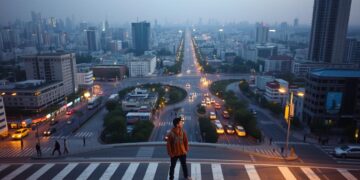





















Imagine spending 90% of your life indoors. The places we go—offices, homes, cities—shape our thoughts, feelings, and actions. This is what environmental psychology is all about. It shows how our surroundings influence us in ways we often miss.
Behavioral influence isn’t just about willpower. Our brains change without us realizing it, based on where we are. A messy desk might spark creativity, while strict office layouts can block new ideas.
Even small things like natural light or room temperature can affect our focus and energy. A calm room can boost confidence, while loud places can drain our motivation.
Science proves our behavior can change. Our brains adapt based on what we experience. For example, children raised in isolation, like Oxana Malaya, show how being alone can affect development.
On the other hand, small changes in our workspaces can make a big difference. By redesigning our desks or adding plants, we can improve our focus and habits.
This article looks at how different places—like busy cities and cozy homes—change our actions. By understanding these connections, we can create better environments. These environments can help us be more productive, healthy, and happy. The next sections will show how every part of our world, seen and unseen, shapes who we are.
The Connection Between Environment and Behavior
Environmental determinism affects how we act every day. Studies show humans adjust their behavior to fit their surroundings, just like animals. For example, in hunting communities, people eat like local mammals. This behavior settings idea shows why classrooms are designed for focus and libraries are quiet.
Even small details matter: warm lighting boosts creativity, while cramped spaces increase stress.
Spatial psychology looks at how ceilings and colors affect our thoughts. High ceilings inspire abstract ideas, while low ones help focus on details. Research shows our surroundings influence our choices without us realizing it.
For instance, room temperature can make us feel more or less connected to others.
Behavioral adaptation happens both consciously and unconsciously. People naturally speak softer in libraries. In schools, positive environments can raise grades by 20%.
Social learning theory says 70% of habits come from watching others. These patterns show how our surroundings shape our actions, from workspaces to homes.
Ecological systems theory connects personal growth to our environments. Communities with strong support networks see 25% higher well-being. By understanding these connections, we can design spaces that encourage good behavior. Every setting, from offices to parks, offers clues about human nature.
Natural Environments and Human Behavior
Nature plays a big role in how we act, and it’s backed by science. The biophilia hypothesis by biologist E.O. Wilson says we’re naturally drawn to nature. Being in nature lowers stress and makes us happier.
Imagine walking in a park to calm down or looking at a garden to relax. These are examples of restorative environments at work.

But city life often keeps us away from nature, leading to nature deficit disorder. This can hurt our mental health, more so in kids. Being in green spaces boosts focus, creativity, and social skills.
For example, areas with trees or parks see less conflict and more community. This shows the natural settings impact on how we behave.
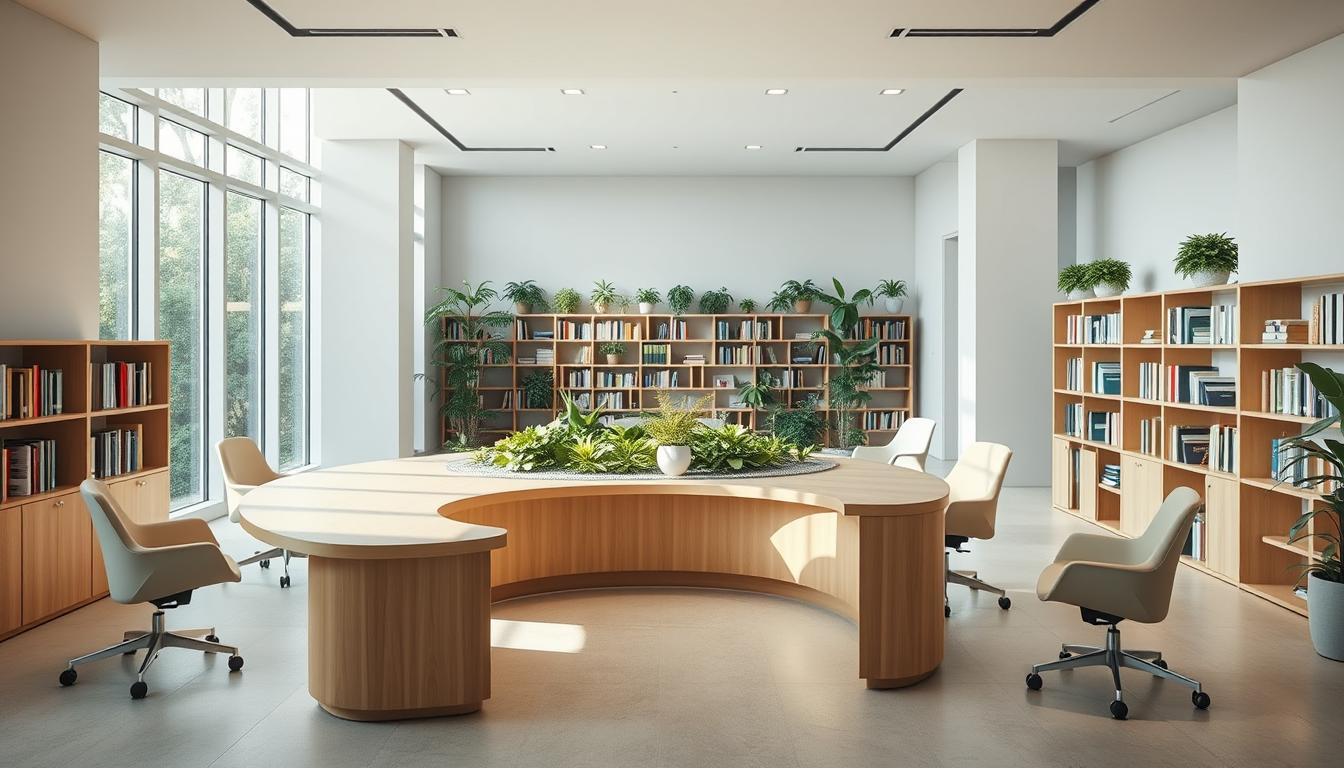
Even small changes can make a big difference. Office plants or views of trees can calm us down. Architects now design buildings with green roofs or indoor gardens, using green space psychology.
These spaces are not just for looks; they help us recharge and make better choices.
As cities grow, finding a balance between nature and development is key. Walkable areas with parks are essential for our mental health. Letting nature into our daily lives is not a luxury; it’s a way to succeed in today’s fast world.
Urban Settings and Social Interaction
Urban psychology shows how city design affects social interactions. In crowded areas, people tend to hurry and chat briefly. But in open spaces, they slow down to talk more. A study in Canada found that wider sidewalks led to 30% more small talk between strangers.
This shows how streets influence our social behavior. It’s like following a script everyone knows.
“We adapt to the mannerisms of the company we keep,” noted urban researchers, explaining how body language mirrors crowd behaviors in bustling plazas. Even posture shifts subtly to match those around us.
When cities ignore human scales, stress increases. Tall buildings can make us feel alone. But well-lit markets with benches encourage people to stay longer.
In Milan, cell data showed how people moved differently in high-density areas. Near cafes, they formed clusters. But in car-centric areas, interactions were scarce. This highlights the importance of design in fostering social connections.
Public spaces also affect different age groups differently. In Tokyo, elderly people had twice as many chats in pocket parks as in Berlin’s big plazas. This shows how local culture shapes urban psychology.
Designers now aim to create spaces where people can meet by chance. They want to reduce loneliness without forcing interaction. The goal is to make sidewalks into places for socializing.
The Impact of Workspace Design
“We learn much by observing others and imitating what they do.”
Workspace psychology shows how office design affects our daily habits and productivity. Open layouts in collaborative spaces help teamwork but can distract those needing quiet. Now, we see a mix of quiet and shared areas in productivity spaces.
A study found that good design can improve focus by 30%. This shows that the design of our workspaces really matters. Things like lighting and noise levels also affect our creativity and stress levels. For example, natural light makes us more alert, while too much noise can hurt our problem-solving skills.
Designs that help us focus include acoustic panels, adjustable desks, and plants. Even small changes, like putting water bottles in sight, can increase hydration by 40%. Ergonomic chairs and standing desks also help reduce physical strain, improving our long-term health.
After the pandemic, we see more flexible workspaces. These allow employees to pick the best spot for their task—whether it’s a meeting area or a quiet room. Research shows that 70% of workers feel happier in spaces with plants or artwork.
Designers now use color psychology, with blues calming and reds energizing. They also use privacy screens and modular furniture to meet different needs. Companies like Google and Steelcase focus on creating spaces that balance social interaction and focus.
By matching workspace psychology with what employees need, companies can boost innovation and support health. Even small changes, like moving snacks to lower shelves, can make a big difference. Every detail counts.
Cultural Influences on Behavior
Our actions are shaped by the cultures we live in. The cultural environment impact shows in our communication and emotional expressions. For instance, 20% of cultural differences come from climate and geography, leading to geographic behavioral differences.
In Japan, spaces focus on group harmony. In the U.S., homes value privacy. These cultural settings effect even show in brain responses. Studies reveal Americans focus on success, while Taiwanese react to failures.
Education also shows cultural differences. In the U.S., 53% of students are non-White, but 79% of teachers are White/non-Hispanic. This gap in societal norms influence can cause discipline issues. Schools that respect diverse cultures help students feel valued.
Dr. William Dressler’s research shows culture shapes behavior and health. His UA lecture on April 2nd will discuss how culture influences our choices. His work highlights our autonomy but also our cultural roots.
The Role of Technology in Our Surroundings
Modern life is shaped by digital behavioral patterns. Screens and apps change our daily routines. Now, over 4.57 billion people use internet-connected devices, spending almost seven hours online each day.
This tech-mediated interaction changes how we socialize, learn, and see the world. For example, teens in the U.S. spend over seven hours a day on screens. Young children who use devices before books show differences in brain development.
Studies link long screen time to shorter attention spans. But, virtual space psychology also offers digital mental health tools as good as traditional therapy.
Social media platforms change how we communicate. A 2023 study found that algorithm-driven feeds and instant messaging affect our behavior. They make us present ourselves in a certain way and reduce face-to-face interactions.
Virtual reality and gaming worlds also create new social spaces. They challenge our traditional views of space. The brain reacts in complex ways to these new experiences.

Design choices in apps and devices are very important. Notifications and rewards systems play on our psychology, making us check our devices often. But, we can limit multitasking and design our digital spaces to avoid negative digital environment effects.
Experts say we need to balance screen time with offline activities. This is important for brain development and emotional health, even more so for children. As technology grows, learning to use it mindfully is essential to enjoy its benefits without losing our well-being.
Environmental Psychology: A Deeper Dive
Environmental psychology looks at how spaces affect our minds and actions. It’s based on environment-behavior research. This field studies how settings, like parks or offices, influence our behavior. It also focuses on environmental cognition and place attachment.
The High Line in NYC is a great example. It shows how design can make a big difference. Studies show it lowers stress, proving the psychological environmental impact of urban renewal. Amazon’s Spheres also use design to boost creativity, showing how spaces can guide human growth.
“Architecture must prioritize how spaces feel, not just how they function.” – Sarah Williams Goldhagen, Why Architecture Matters
Research shows place attachment can lead to eco-friendly actions. The India Autism Center (IAC) uses these ideas to create spaces that are friendly for everyone. Even small changes, like adding plants or natural light, can improve our mental health. This shows that our environments play a big role in our well-being.
Climate and Behavioral Changes
Scientists have long studied the weather behavior connection. They found how changing skies affect our daily lives. A big study of 430 studies showed that temperature behavioral effects are real. For example, hot days make us more aggressive, while seeing eco-friendly neighbors makes us less likely to litter.
In cities, the climate psychological impact is stronger. BIPOC communities face more heat because they have fewer trees. In Detroit, homes can get up to 95°F in summer.

Seasonal changes cause clear seasonal affective patterns. Short winter days can lead to Seasonal Affective Disorder. But, more sunlight can make us happier by boosting serotonin levels.
The IPCC now sees meteorological psychology as important for fighting climate change. They say eco-anxiety can make people deny the problem or take action, like using solar panels.
Urban heat islands show how sunlight exposure influence can widen inequality. Richer areas stay cooler with green spaces, while poor areas get hotter. Small changes, like light therapy or walkable cities, can help. Knowing how climate affects us helps us adapt and change it.
The Influence of Color and Design
Spaces shape how we feel and act, often without us realizing it. Color choices and room layouts use color psychological effects and design behavior influence to guide our decisions. Architectural psychology shows how even small details like paint shades or furniture placement can boost focus or calmness.
Warm colors like red spark energy—restaurants use them to encourage eating. Calming blues and greens reduce stress, making them ideal for healthcare settings. Visual environment effects are powerful: a Cornell study found smaller plates cut eating by 22%, proving how simple design changes shift habits.
“Even minor design tweaks can lead to major behavior shifts.” — Brian Wansink, Cornell University
Open layouts foster teamwork, while high ceilings boost creative thinking. Lighting and material choices act as sensory design elements, making spaces that support goals like focus or relaxation. Strategic color schemes and layouts can enhance aesthetic environmental impact, turning homes or offices into spaces that energize or relax as needed.
Understanding these principles helps anyone redesign spaces. Choosing calming blues for bedrooms or vibrant tones in gyms turns aesthetics into tools. By aligning design with purpose, anyone can create environments that boost productivity, health, and happiness through thoughtful visual choices.
Personal Spaces and Their Impact
Personal space psychology reveals how our homes shape our daily lives. Territorial behavior in our homes affects how families interact. A tidy room, filled with personal items, lowers stress through personalization.
Privacy in bedrooms or home offices helps balance social and private time. These elements together shape the domestic setting influence on our mental health.

“Design must prioritize human needs to foster well-being,” said Dr. Sergio Altomonte. He noted how our home environment affects our mood and productivity. Cluttered spaces raise stress, but plants and natural light improve focus.
Warm colors like blue calm the mind, while harsh lighting strains the eyes. Bedrooms with windows enhance sleep quality, as studies show workers gained 46 extra minutes of rest.
Personal touches, like photos or art, reflect our identity and boost emotional stability. Open layouts foster family bonding but may challenge privacy needs. Finding a balance creates spaces that support both solitude and connection.
Small changes, like rearranging furniture or adding greenery, can greatly improve how we feel in our surroundings.
Mitigating Negative Environmental Impacts
Small changes in our daily routines can change how spaces affect us. Fixing toxic environments starts with spotting clutter, noise, or bad design. We need to audit our spaces to make them better.
Removing obstacles for good habits, like having water bottles near our desks, helps. Hospitals, for example, cut energy use by going digital. This move reduced paper waste and carbon emissions.
Improving spaces means rethinking their layouts. Open offices with natural light and plants help reduce stress. Even small changes, like using noise-reducing materials, can help.
Studies show that knowing about climate risks can lead to eco-friendly actions. This shows that awareness can lead to change.
Looking back, ignoring environmental limits has led to big problems, like the Old Kingdom of Egypt’s collapse and the Dust Bowl. Today, over 7.5 billion people face rising temperatures and less resources. But, research shows that education and messages can change behavior.
Start by making spaces better fit our goals. Every choice we make, from using less plastic to supporting green policies, helps us be stronger.